
Are you taking the right steps to protect yourself from illnesses? In today’s fast-paced world, maintaining a healthy lifestyle is more crucial than ever.
Simple, everyday habits can significantly reduce the risk of falling ill. By incorporating healthy living practices into your daily routine, you can bolster your body’s defenses against infections.
This article will guide you through the essential everyday habits that can help you stay healthy and prevent infections, ensuring you lead a vibrant, energetic life.
Key Takeaways
- Adopt simple hygiene practices to reduce illness risk
- Understand the importance of a balanced diet in immunity
- Learn stress management techniques for overall well-being
- Discover how regular physical activity boosts health
- Implement effective sleep habits for better health
Understanding How Infections Spread in Daily Life
Understanding how infections spread is crucial for adopting effective disease prevention strategies. Infections can spread through various means, making daily life a potential minefield if you’re not aware of the risks.
Common Transmission Routes You Encounter Every Day
Infections can spread through contaminated surfaces, airborne pathogens, and close contact with infected individuals. For instance, touching a surface contaminated with a virus and then touching your face can lead to infection.
Airborne pathogens are another significant concern. When an infected person coughs or sneezes, they release droplets that can be inhaled by others, potentially spreading the infection. Close contact with someone who is infected, such as shaking hands or sharing personal items, also poses a risk.
“The single most important thing you can do to prevent the spread of infection is to wash your hands frequently and correctly.”
Why Daily Prevention Habits Matter More Than You Think
Adopting daily habits for preventing infections is vital in reducing the risk of infection. Simple practices like regular handwashing, using hand sanitizers when soap and water are not available, and avoiding close contact with people who are sick can significantly lower your risk of getting infected.
Moreover, being mindful of your surroundings and taking steps to minimize exposure to potential infection sources can make a substantial difference. This includes regularly cleaning and disinfecting high-touch surfaces, avoiding touching your face, and staying home when you’re feeling unwell to prevent spreading infection to others.
- Practice good hygiene
- Use hand sanitizers
- Avoid close contact with infected individuals
- Regularly clean high-touch surfaces
By understanding how infections spread and adopting these daily prevention habits, you can significantly reduce your risk of infection and contribute to a healthier community.
Master Personal Hygiene as Your First Line of Defense
Personal hygiene practices are your first line of defense against germs and infections. By incorporating simple yet effective habits into your daily routine, you can significantly reduce the risk of getting sick. In this section, we will explore the critical aspects of personal hygiene that help keep you healthy.
Proper Handwashing Techniques and Critical Timing
Washing your hands is one of the most effective ways to prevent the spread of infections. It’s not just about when you wash your hands, but also how you do it. Proper handwashing involves using soap and water, rubbing your hands together to create friction, and scrubbing all surfaces for at least 20 seconds.
The 20-Second Method That Actually Works
The 20-second rule is a simple guideline to ensure you wash your hands long enough to kill germs. You can hum the “Happy Birthday” song twice or use a timer to keep track. This method ensures that you’re giving your hands enough time to get clean.
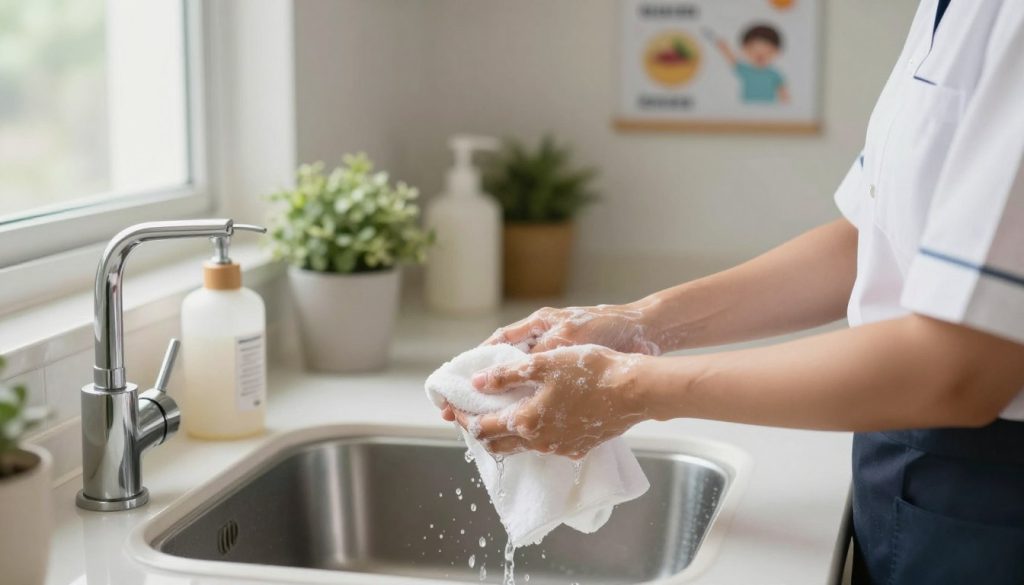
You should wash your hands at various times throughout the day, not just after using the bathroom. Key times include before eating, after blowing your nose, coughing or sneezing, and after touching animals or their waste. Being mindful of when you wash your hands can significantly impact your germ-fighting efforts.
Hand Sanitizer Use and Limitations
While hand sanitizers are a convenient alternative when soap and water aren’t available, they shouldn’t replace handwashing entirely. Hand sanitizers are effective against many germs, but they may not remove dirt or chemicals from your hands. Use them when necessary, but prioritize washing your hands whenever possible.
Oral Hygiene Practices That Prevent Infections
Oral hygiene is another crucial aspect of personal hygiene. Brushing your teeth at least twice a day, flossing daily, and visiting your dentist regularly can help prevent infections in your mouth and beyond. Good oral hygiene practices are linked to overall health and can prevent conditions like gum disease and tooth decay.
Showering Habits and Skin Barrier Protection
Showering regularly helps keep your skin clean and maintains its barrier function. Using warm water and mild soap can help prevent dryness and irritation, while showering after exercising or sweating heavily can prevent bacterial growth on the skin. Paying attention to your showering habits can help you maintain healthy skin and prevent infections.
Build Immunity Through Nutrition and Hydration
Nutrition and hydration are fundamental to immune function, acting as the body’s first line of defense against pathogens. A diet rich in essential nutrients not only supports immune function but also enhances the body’s ability to fight off infections.
Immune-Boosting Foods to Add to Your Daily Diet
Incorporating specific foods into your diet can significantly boost your immune system. These include citrus fruits like oranges and grapefruits, which are high in vitamin C, a crucial vitamin for immune function.
Essential Vitamins and Minerals for Disease Prevention Strategies
Vitamins and minerals play a critical role in disease prevention. Vitamin C, found in citrus fruits and leafy greens, is vital for the production of white blood cells. Zinc, available in oysters, beef, and chicken, supports immune function and wound healing.
| Nutrient | Food Sources | Immune Function Benefit |
|---|---|---|
| Vitamin C | Citrus fruits, leafy greens | Boosts white blood cell production |
| Zinc | Oysters, beef, chicken | Supports immune function and wound healing |
Protein and Healthy Fats for Immune Function
Protein is essential for the production of antibodies, which fight infections. Healthy fats, such as those found in nuts, seeds, and avocados, support the absorption of vitamins and maintain healthy cell membranes.
Hydration Guidelines for Optimal Health
Adequate hydration is crucial for immune function, as it helps in the production of lymph, a fluid that carries white blood cells throughout the body. Aim to drink at least eight glasses of water a day.

Probiotics and Fermented Foods for Gut Health
Probiotics, found in fermented foods like yogurt, kefir, and sauerkraut, support gut health, which is closely linked to immune function. A healthy gut microbiome is essential for a strong immune system.
Best Probiotic Sources and How to Consume Them
Incorporate probiotic-rich foods into your diet by consuming yogurt with live cultures, drinking kefir, or eating fermented vegetables. You can also consider probiotic supplements after consulting with a healthcare professional.
- Yogurt with live cultures
- Kefir
- Sauerkraut
- Kimchi
By focusing on nutrition and hydration, you can significantly enhance your immune system’s ability to fight off infections and maintain overall health.
Infection Prevention Lifestyle Habits for Your Home
A clean home is not just about aesthetics; it’s a critical component of infection prevention and overall health. By incorporating simple yet effective habits into your daily routine, you can significantly reduce the risk of infections and create a healthier living environment for you and your family.
Create a Cleaning Schedule for High-Touch Surfaces
High-touch surfaces are breeding grounds for germs and bacteria. Creating a cleaning schedule for these areas is essential for maintaining a germ-free home.
Kitchen and Bathroom Disinfection Routines
The kitchen and bathroom are two areas that require frequent disinfection due to their high usage and moisture levels. Use a disinfectant spray or wipes to regularly clean countertops, sinks, and faucets. Pay special attention to areas around the stove, refrigerator, and toilet.
- Wipe down kitchen counters and sinks after every meal.
- Disinfect bathroom surfaces, including the toilet handle, sink, and shower, at least once a day.
Doorknobs, Light Switches, and Remote Controls
Doorknobs, light switches, and remote controls are frequently touched by everyone in the household, making them hotspots for germ transmission. Use a disinfectant wipe to clean these items daily, especially during flu season or when someone is sick.
- Identify all high-touch areas in your home.
- Clean these areas with a disinfectant daily.

Improve Indoor Air Quality and Ventilation
Good indoor air quality is vital for health. Improving ventilation and reducing pollutants can help prevent respiratory infections and allergies.
- Open windows regularly to let in fresh air.
- Use air purifiers to reduce dust and allergens.
- Maintain your HVAC system by changing filters regularly.
Laundry and Fabric Care Best Practices
Laundry and fabric care play a significant role in infection prevention. Regular washing of bedding, towels, and clothes can reduce the spread of germs.
Washing Frequency for Bedding, Towels, and Clothes
Washing your bedding, towels, and clothes regularly is crucial. Bedding and towels should be washed weekly, while clothes should be washed after every wear, especially if you’ve been sweating.
| Item | Washing Frequency |
|---|---|
| Bedding | Weekly |
| Towels | Weekly |
| Clothes | After every wear |
By implementing these infection prevention lifestyle habits, you can create a healthier home environment that supports the well-being of your family. Regular cleaning, improving indoor air quality, and practicing good laundry habits are simple yet effective ways to reduce the risk of infections.
Adopt Daily Wellness Routines for Staying Healthy
Adopting daily wellness routines is crucial for maintaining overall health and preventing infections. By incorporating a few simple habits into your daily life, you can significantly boost your immune system and reduce the risk of falling ill.
Prioritize Quality Sleep for Immune System Support
Quality sleep is foundational to a healthy immune system. During sleep, your body repairs and regenerates damaged cells, builds bone and muscle, and strengthens your immune system.
How Many Hours You Really Need
Most adults need 7-9 hours of sleep per night for optimal health. Sleeping less than 7 hours per night can weaken your immune system, making you more susceptible to infections.
Sleep Hygiene Tips for Better Rest
- Establish a consistent sleep schedule.
- Create a bedtime routine to signal your body that it’s time to sleep.
- Avoid caffeine and electronics before bedtime.
- Make your sleep environment comfortable and dark.
Regular Physical Activity and Exercise
Regular physical activity is another crucial component of daily wellness. Exercise not only improves your physical health but also enhances your immune function.
Immunity Boosting Activities You Can Do Daily
Simple activities like brisk walking, cycling, or yoga can be easily incorporated into your daily routine. Aim for at least 30 minutes of moderate-intensity exercise per day.

| Activity | Duration | Benefits |
|---|---|---|
| Brisk Walking | 30 minutes | Improves cardiovascular health, boosts immunity |
| Cycling | 30 minutes | Enhances cardiovascular fitness, strengthens muscles |
| Yoga | 30 minutes | Reduces stress, improves flexibility, boosts immunity |
Manage Stress to Strengthen Your Defenses
Chronic stress can significantly weaken your immune system. Engaging in stress-reducing activities like meditation, deep breathing, or journaling can help manage stress levels.
Practice Smart Social Habits During Illness Season
During peak illness seasons, it’s essential to practice smart social habits to minimize your exposure to pathogens.
When to Avoid Crowds and Close Contact
Avoiding crowded areas and maintaining distance from individuals who are sick can significantly reduce your risk of getting infected. If you need to be in a crowded area, consider wearing a mask to protect yourself.
Conclusion
By incorporating simple yet effective habits into your daily routine, you can significantly reduce the risk of infections and maintain overall health. Mastering personal hygiene, building immunity through nutrition, and adopting infection prevention lifestyle habits at home are crucial steps towards a healthier lifestyle.
Prioritizing quality sleep, regular physical activity, and stress management also plays a vital role in strengthening your defenses against infections. By making these practices a part of your daily wellness routines, you can enhance your body’s ability to fight off illnesses and stay healthy.
Implementing these infection prevention lifestyle habits into your daily life is a proactive approach to safeguarding your health. Start by making small changes to your daily routine and watch how these habits can collectively make a significant difference in your overall well-being.