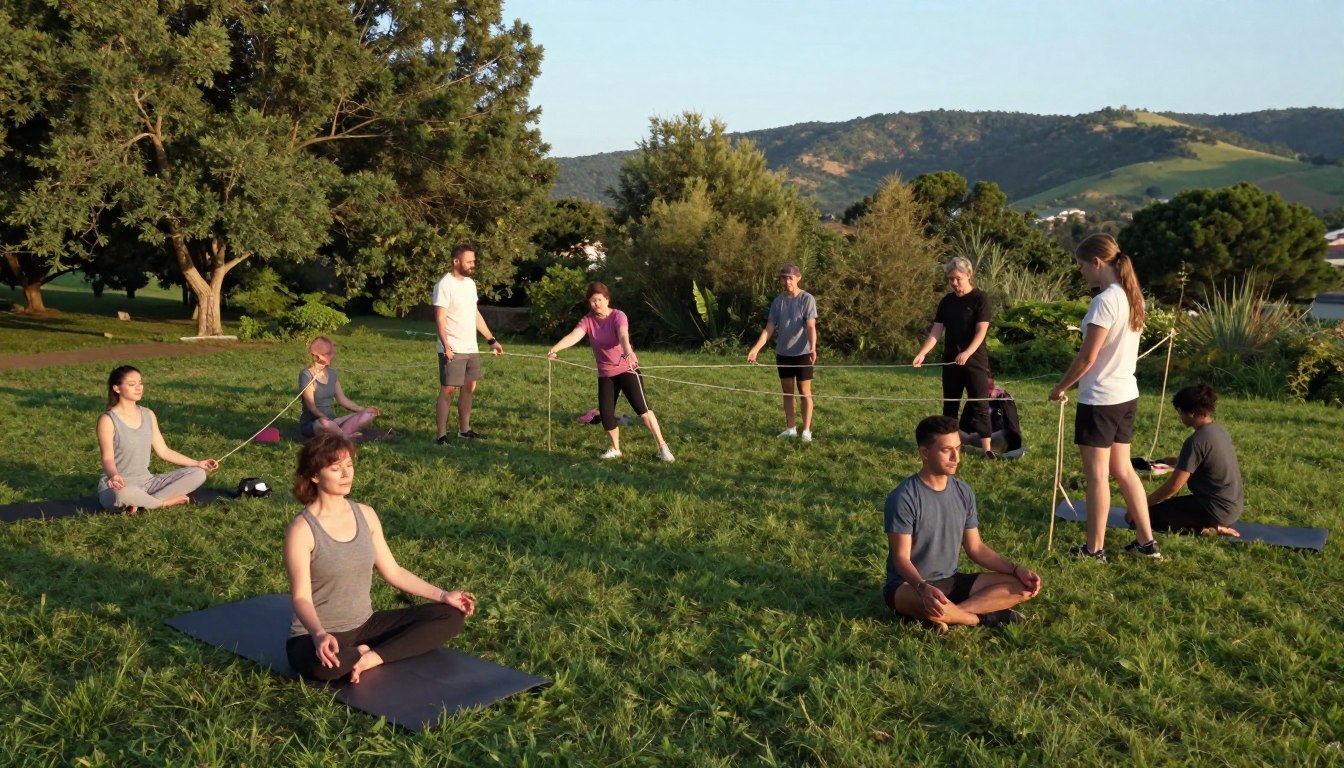
Can you imagine having the strength to navigate life’s challenges with ease and confidence? Building resilience is key to achieving this goal.
Developing effective stress management techniques and incorporating resilience building activities into your daily routine can significantly enhance your ability to cope with adversity.
In this article, we will explore the importance of resilience and provide a comprehensive guide on developing long-term habits that foster resilience.
Key Takeaways
- Understanding the concept of resilience and its significance
- Identifying effective stress management techniques
- Incorporating resilience building activities into daily life
- Developing a growth mindset to enhance resilience
- Creating a supportive environment for resilience to flourish
Understanding Resilience and Why It Matters
Understanding resilience is key to developing long-term stress resistance. Resilience is not just about withstanding challenges, but also about growing and learning from them. It’s a vital component of maintaining mental wellness and achieving overall well-being.
What Resilience Really Means
Resilience refers to the ability to bounce back from adversity, trauma, or significant stress. It’s about being able to absorb or avoid difficulties and to recover quickly when faced with challenges. As Dr. Karen Reivich, a renowned resilience expert, notes, “Resilience is not something you are born with, but it can be developed over time with practice and effort.”
The Science Behind Stress Resistance
The science behind stress resistance involves understanding how our bodies respond to stress and how we can mitigate its negative effects. Effective stress resilience methods include developing coping strategies, practicing self-care, and fostering a positive mindset. By understanding the physiological and psychological aspects of stress, we can better equip ourselves to handle it.
Benefits of Building Long-Term Resilience
Building long-term resilience offers numerous benefits, including improved mental health, enhanced ability to cope with stress, and better overall well-being. By incorporating long-term stress management strategies into our daily lives, we can lead more balanced and fulfilling lives. As
“The greatest glory in living lies not in never falling, but in rising every time we fall” – Nelson Mandela
, resilience is about rising above challenges and emerging stronger.
Establish a Strong Physical Foundation
Establishing a strong physical foundation is a critical step in cultivating long-term stress resistance. This foundation is built on three key pillars: quality sleep, regular exercise, and proper nutrition.
Prioritize Quality Sleep
Quality sleep is essential for physical recovery and mental rejuvenation. To achieve this, focus on creating a consistent sleep schedule and optimizing your sleep environment.
Create a Consistent Sleep Schedule
Going to bed and waking up at the same time every day helps regulate your body’s internal clock, improving the quality of your sleep. Consistency is key to developing a healthy sleep habit.
Optimize Your Sleep Environment
Ensure your bedroom is dark, quiet, and cool. Consider using blackout curtains, earplugs, or a white noise machine if necessary. A comfortable mattress and pillows also play a crucial role in enhancing sleep quality.
Build Regular Exercise Habits
Regular physical activity not only improves physical health but also boosts mental well-being. The key is to find exercises you enjoy and start with manageable routines.
Find Movement You Enjoy
Engage in physical activities that bring you joy, whether it’s walking, cycling, or dancing. Enjoyment is crucial for sustaining a long-term exercise habit.
Start Small and Build Gradually
Begin with short, achievable sessions and gradually increase the duration and intensity. This approach helps prevent burnout and injury.
Fuel Your Body with Proper Nutrition
A balanced diet rich in fruits, vegetables, whole grains, and lean proteins supports overall health and resilience. Nourishing your body with the right foods helps you cope better with stress.
Develop Mental Wellness Activities
Mental wellness activities play a significant role in fostering resilience and overall well-being. By incorporating these practices into daily life, individuals can better manage stress and enhance their mental health.
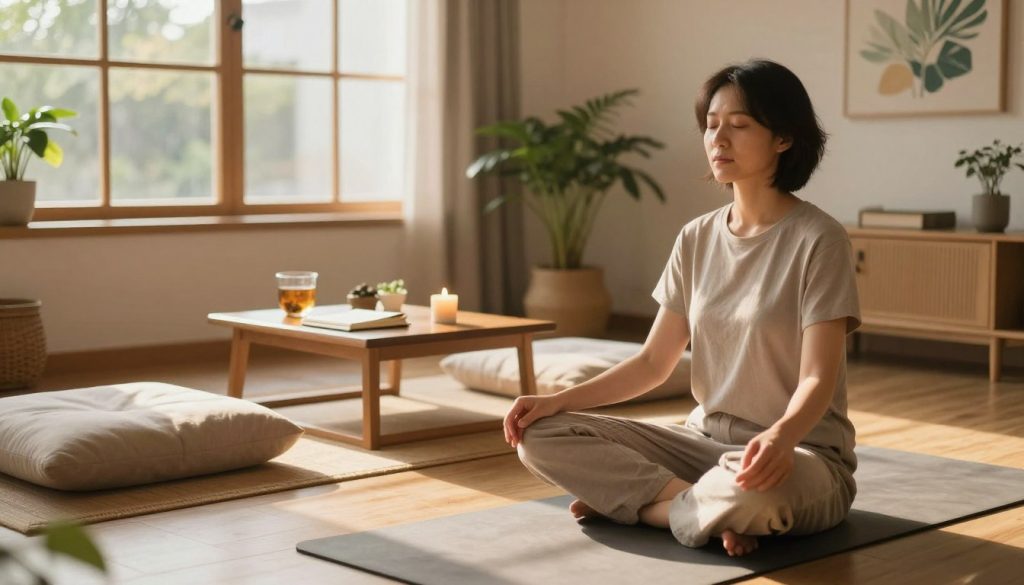
Practice Daily Mindfulness Meditation
Mindfulness meditation is a powerful tool for reducing stress and increasing resilience. By dedicating a few minutes each day to mindfulness practices, individuals can improve their ability to stay present and focused.
Keep a Gratitude Journal
Maintaining a gratitude journal encourages individuals to reflect on the positive aspects of their lives. This practice can help shift focus away from stressors and cultivate a more optimistic outlook.
Challenge Negative Thought Patterns
Negative thought patterns can significantly impact mental well-being. By learning to identify and challenge these thoughts, individuals can develop a more balanced and resilient mindset.
Set Realistic Goals and Celebrate Progress
Setting achievable goals and acknowledging progress can enhance motivation and overall mental wellness. This practice helps build confidence and reinforces resilience.
| Mental Wellness Activity | Benefits |
|---|---|
| Mindfulness Meditation | Reduces stress, improves focus |
| Gratitude Journaling | Cultivates positivity, shifts focus from stressors |
| Challenging Negative Thoughts | Develops balanced mindset, enhances resilience |
| Setting Realistic Goals | Boosts motivation, builds confidence |

Cultivate Healthy Coping Strategies
Healthy coping strategies are vital for navigating life’s challenges with confidence and poise. By developing effective ways to manage stress, individuals can enhance their overall well-being and build resilience.
Identify Your Stress Triggers
Understanding what causes stress is the first step towards managing it. Identifying your stress triggers allows you to prepare and respond to stressful situations more effectively. Take time to reflect on when and why you feel stressed.
Build a Stress Response Toolkit
Having a variety of stress relief practices at your disposal can make a significant difference. Techniques such as breathing exercises and progressive muscle relaxation can provide immediate relief.
Breathing Techniques for Immediate Relief
Deep, controlled breathing can calm the mind and body. Practice inhaling deeply through your nose, holding your breath for a few seconds, and exhaling slowly through your mouth.
Progressive Muscle Relaxation
This technique involves tensing and then relaxing different muscle groups in your body. It helps release physical tension and promote relaxation.
Replace Unhealthy Coping Mechanisms
It’s essential to recognize and replace unhealthy coping strategies with healthier alternatives. Instead of turning to substances or avoidance, adopt stress resilience methods like exercise, meditation, or creative pursuits.
By cultivating healthy coping strategies and being proactive about stress management, you can enhance your ability to handle life’s challenges.
Strengthen Your Social Support Network
Strengthening your social connections can significantly improve your ability to manage stress. A robust social support network provides emotional support, practical help, and a sense of belonging, all of which are crucial for resilience building activities.

Invest in Meaningful Relationships
Nurturing meaningful relationships with family and friends is vital. These relationships provide a foundation for emotional support and can help you navigate stressful situations. Regular communication and spending quality time together can strengthen these bonds.
Learn to Ask for Help
Recognizing when you need help and being willing to ask for it is a sign of strength, not weakness. Learning to ask for help can provide you with the support you need during challenging times, reducing feelings of isolation and stress.
Join Communities with Shared Interests
Engaging with communities that share your interests can expand your social network and provide opportunities for social interaction. This can be particularly beneficial for those who find it challenging to connect with others in their immediate environment.
Set Healthy Boundaries
Establishing healthy boundaries is essential for maintaining a balanced and supportive social network. By setting clear limits, you can protect your time and energy, ensuring that your relationships are positive and nourishing.
Create Long Term Stress Resistance Habits Through Routine
Establishing a consistent daily routine is crucial for developing long term stress resistance habits. A well-structured routine helps in creating a sense of stability and normalcy, even in chaotic times.
Design a Morning Routine That Sets You Up for Success
Starting your day on a positive note can significantly impact your stress levels. A morning routine that includes activities like meditation, journaling, or a short workout can help set a positive tone for the day.
- Meditation or deep breathing exercises
- Journaling or planning your day
- A short workout or stretching
Implement Regular Stress Relief Practices
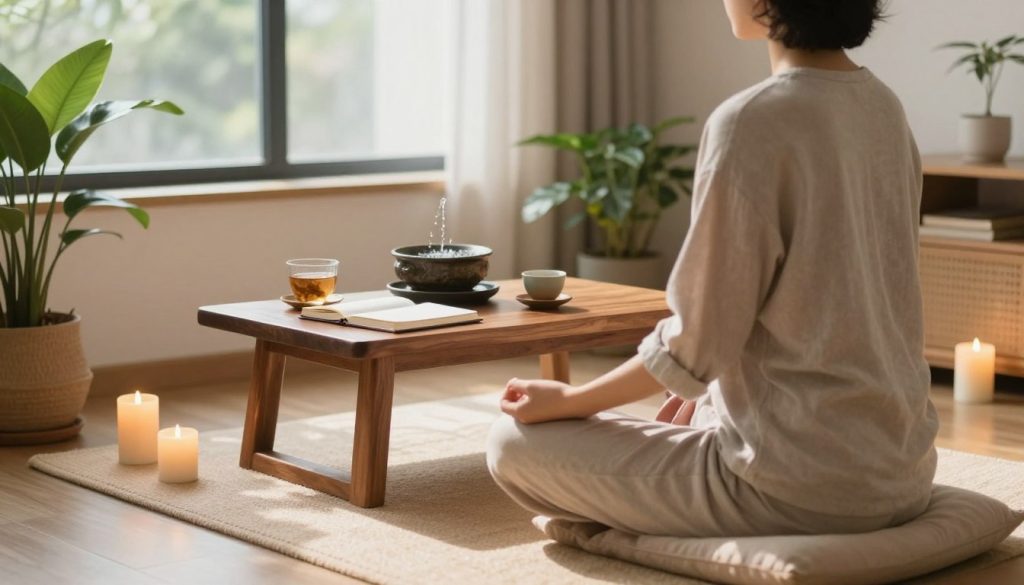
Incorporating stress reduction habits into your daily routine is vital. Activities such as yoga, reading, or spending time in nature can provide regular stress relief.
Schedule Time for Recovery and Rest
Adequate rest and recovery are essential components of mental wellness activities. Ensuring you have time to relax and recharge is crucial for maintaining resilience.
Track Your Progress and Adjust
Monitoring your progress and making necessary adjustments to your routine is key to developing effective long term stress resistance habits. Regularly reviewing your habits helps in identifying areas for improvement.
By implementing these strategies, you can create a robust routine that supports your mental and physical well-being, enhancing your ability to resist stress over the long term.
Implement Resilience Building Activities Daily
To develop long-term stress resistance, it’s essential to incorporate resilience-building activities into your daily routine. By doing so, you can enhance your ability to cope with stress and improve your overall well-being.
Practice Self-Compassion
Self-compassion is a powerful tool for building resilience. It involves treating yourself with kindness, understanding, and patience, especially during difficult times. By practicing self-compassion, you can reduce self-criticism and develop a more positive mindset.
Engage in Creative Expression
Engaging in creative activities such as art, music, or writing can be a great way to express yourself and relieve stress. Creative expression allows you to channel your emotions into something positive, fostering a sense of accomplishment and pride.
Spend Time in Nature
Spending time in nature has been shown to have numerous benefits for mental health and resilience. Being outdoors can help reduce stress levels, improve mood, and increase feelings of calm and relaxation.
Continue Learning and Growing
Continuing to learn and grow is essential for building resilience. Engaging in lifelong learning activities, such as reading, taking courses, or pursuing new hobbies, can help you stay adaptable and motivated, even in the face of challenges.
By incorporating these resilience-building activities into your daily routine, you can develop the skills and strategies needed to cope with stress and thrive in a rapidly changing world.
Conclusion
Developing long-term stress management strategies is crucial for achieving overall well-being. By incorporating stress resilience methods into daily life, individuals can better navigate life’s challenges.
Engaging in mental wellness activities, such as mindfulness meditation and gratitude journaling, can significantly enhance resilience. These practices help cultivate a positive mindset and improve emotional regulation.
As you move forward, remember that building resilience is a journey. It requires commitment and patience, but the benefits are well worth the effort. By implementing the strategies outlined in this article, you can develop the skills needed to manage stress effectively and improve your overall quality of life.
Start your journey today by integrating these stress resilience methods into your daily routine. With time and practice, you can build a stronger, more resilient you.